Building a Sustainable Safety Culture: Lessons from High-Performing Operations
- share

Warehouse safety requires more than policies and periodic training. Learn four practices that help high-performing warehouse operations create safer workplaces while supporting productivity and operational excellence.
June's National Safety Month and National Forklift Safety Day shine a spotlight on an issue that impacts every warehouse operation: workplace safety.
At Werres Corporation, safety is more than a monthly initiative. It is a core value that recently contributed to a significant milestone of more than 500 consecutive days without a recordable safety incident. While every operation's safety journey is different, organizations with strong safety records often share several common characteristics.
Here are four practices that help create safer, more productive warehouse environments.
1. They Invest in Training
Every effective safety program starts with knowledgeable, confident operators.
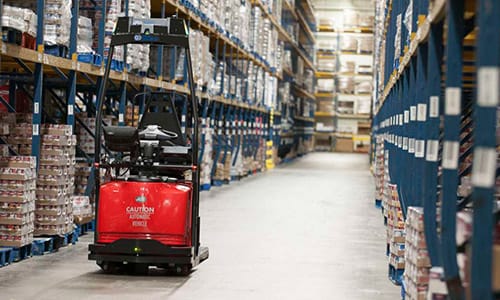
Warehouse environments are constantly changing. Operators navigate pedestrian traffic, busy docks, narrow aisles, and evolving facility layouts every day. Ongoing training helps employees develop the skills and awareness needed to operate safely and efficiently.
High-performing organizations view training as an ongoing process that includes:
- Operator certification and recertification
- Train-the-trainer programs
- Equipment-specific instruction
- Safety refreshers and continuing education
A well-trained workforce supports safer operations, greater consistency, and improved productivity.
2. They Use Data to Identify Risk
Many warehouse leaders have a general sense of what is happening in their operation. Data provides the visibility needed to understand where opportunities for improvement exist.
Connected fleet management solutions such as iWAREHOUSE® provide insight into:
- Equipment impacts
- Fleet utilization
- Operator activity
- Equipment health
- Operational trends
This information helps organizations identify recurring issues, improve accountability, and make informed decisions that support workplace safety.
When operational data is readily available, leaders can address concerns proactively and focus improvement efforts where they will have the greatest impact.
3. They Empower Employees to Speak Up
Safety culture extends beyond policies and procedures.
Employees are often the first to recognize hazards, identify inefficiencies, or notice changing conditions on the warehouse floor. Organizations that encourage open communication create an environment where employees feel comfortable sharing concerns and improvement ideas.
Strong safety cultures encourage:
- Hazard reporting
- Near-miss reporting
- Team collaboration
- Shared accountability
When employees are actively engaged in safety efforts, organizations gain valuable insight while strengthening trust and ownership throughout the workforce.
4. They Never Stop Improving
Safety is closely connected to continuous improvement.
The most successful organizations regularly evaluate processes, identify opportunities, and make incremental improvements that strengthen both safety and operational performance.
This approach aligns closely with Raymond Lean Management (RLM), which helps organizations improve processes, eliminate inefficiencies, and create sustainable operational excellence.
Small improvements made consistently over time often produce meaningful results across safety, productivity, and employee engagement.
Building Safety Into Everyday Operations
National Safety Month and National Forklift Safety Day offer an opportunity to evaluate current practices and identify areas for growth.
Organizations that build strong safety cultures typically share a commitment to four key areas:
- Ongoing training
- Operational visibility
- Employee engagement
- Continuous improvement
These practices help create safer workplaces, stronger teams, and more resilient operations.
Ready to Strengthen Your Safety Program?
Whether you are looking to enhance operator training, improve fleet visibility through iWAREHOUSE®, or explore continuous improvement strategies through Raymond Lean Management, Werres Corporation can help.
Contact our team to learn how we help organizations build safer, smarter, and more productive warehouse operations.
Related Resources
Operator Training Programs
Develop knowledgeable, confident operators through OSHA-compliant training and continuing education programs.
iWAREHOUSE® Fleet Optimization
Gain visibility into fleet utilization, impacts, operator activity, and equipment performance.
Raymond Lean Management (RLM)
Drive continuous improvement through structured problem-solving and operational excellence strategies.
500+ Days Without a Recordable Safety Incident
Learn more about Werres Corporation's commitment to workplace safety and operational excellence.
Schedule a Safety Consultation
Connect with our team to evaluate opportunities for improving workplace safety, operational efficiency, and fleet performance.